In Japan, protecting oneself from the sun is not just a seasonal habit but a deeply rooted lifestyle choice. Unlike in many other countries where sun protection is often limited to sunscreen or occasional shade, Japanese culture embraces a more comprehensive approach. The use of parasols reflects an awareness of both health and aesthetics, combining practical benefits with refined style. Whether walking through city streets or enjoying a quiet afternoon outdoors, carrying a parasol is seen as a natural extension of daily life rather than an accessory reserved for special occasions.
The Evolution of the Modern Parasol
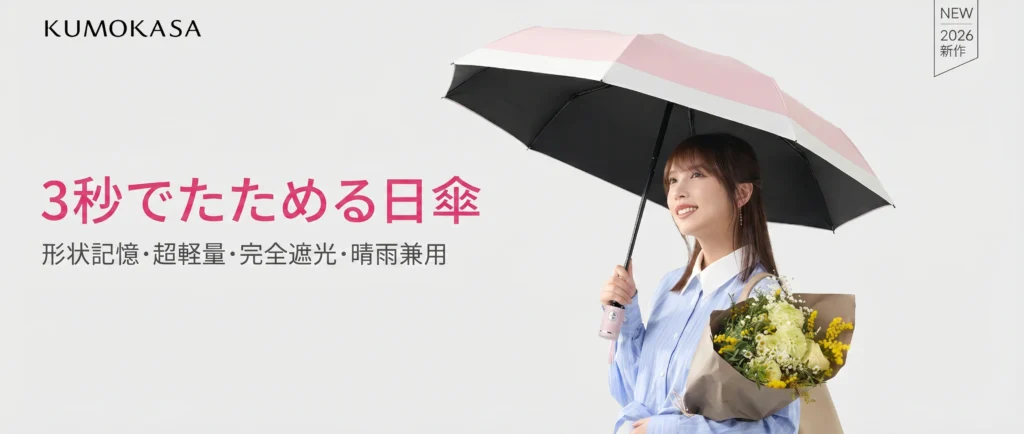
The parasol has evolved significantly over time, adapting to the needs of modern urban living. Today’s designs focus on portability, durability, and ease of use, making them suitable for busy lifestyles. Lightweight materials and compact structures allow users to carry their parasols effortlessly, ensuring protection is always within reach.
One popular option is the 折りたたみ傘, which offers convenience without compromising on coverage. Its compact design makes it easy to store in a bag, while still providing effective shade when needed. This balance between functionality and portability aligns perfectly with the fast-paced yet detail-oriented nature of life in Japan.
Navigating Urban Life Under the Sun
Japanese cities are known for their efficiency and density, with people often spending extended periods commuting or walking between destinations. In such environments, direct sunlight can quickly become overwhelming, especially during the humid summer months. Parasols provide a simple yet effective solution, creating a personal space of shade that moves with you.
Using a parasol during daily commutes not only enhances comfort but also reduces fatigue caused by heat exposure. This small adjustment can make a noticeable difference, particularly for those who spend significant time outdoors. Over time, it becomes less of a conscious decision and more of a seamless part of one’s routine.
Combining Functionality with Personal Style
In Japan, functionality rarely comes at the expense of aesthetics. Parasols are available in a wide range of designs, from understated and minimalist to elegant and decorative. This variety allows individuals to choose options that reflect their personal style while still meeting practical needs.
Carrying a parasol can also serve as a subtle form of self-expression. The choice of color, pattern, or material can complement an outfit and enhance overall appearance. This integration of fashion and function is a hallmark of Japanese lifestyle design, where even everyday items are thoughtfully curated.
Seasonal Awareness and Daily Comfort
Japan’s distinct seasons influence how parasols are used throughout the year. During the intense heat of summer, they provide essential protection against strong sunlight and high temperatures. In spring and early autumn, they offer a lighter form of shade that enhances comfort during mild weather.
This seasonal adaptability makes 日傘 a versatile tool for maintaining well-being. By adjusting usage based on weather conditions, individuals can stay comfortable without relying solely on indoor environments. This connection to the seasons reflects a broader cultural appreciation for living in harmony with nature.
The Role of Routine in Sun Protection
Incorporating a parasol into daily routines is a simple yet effective way to prioritize personal care. Just as people remember to carry essentials like wallets or phones, bringing a parasol becomes second nature over time. This habit reduces the need for reactive measures and encourages a more proactive approach to sun protection.
Consistency is key. By making parasol use a regular part of daily life, individuals can avoid the discomfort and potential health risks associated with prolonged sun exposure. This steady approach aligns with the broader Japanese emphasis on building habits that support long-term well-being.
Practical Benefits Beyond Sunlight
While parasols are primarily associated with sun protection, their benefits extend beyond shielding from UV rays. They can also provide relief from sudden light rain, making them a practical choice in unpredictable weather. This dual functionality adds to their value, especially in regions where conditions can change quickly.
Additionally, the sense of personal space created by a parasol can offer a subtle psychological benefit. In crowded environments, it provides a small boundary that enhances comfort and reduces stress. These added advantages contribute to the parasol’s role as more than just a protective tool.
Encouraging Mindful Living Through Simple Choices
Using a parasol is a small act, but it reflects a larger philosophy of mindful living. It demonstrates an awareness of one’s environment and a willingness to take simple steps to improve daily comfort. In Japan, such choices are often seen as part of a broader commitment to living thoughtfully and intentionally.
This mindset extends to other aspects of life, from organizing living spaces to choosing functional yet beautiful items. By paying attention to these details, individuals can create a lifestyle that feels both efficient and fulfilling.
Building a Lifestyle Around Comfort and Care
At its core, the use of parasols represents a commitment to self-care. It is about recognizing the importance of comfort and taking proactive steps to maintain it. In a fast-paced world, these small habits can have a significant impact on overall well-being.
By integrating practical tools like parasols into everyday routines, people can navigate their environments with greater ease. This approach not only enhances physical comfort but also supports a sense of balance and control in daily life.
Conclusion: A Simple Tool with Lasting Impact
Parasols have become an essential part of modern life in Japan, blending tradition with innovation to meet contemporary needs. From their role in sun protection to their contribution to personal style, they offer a versatile solution for everyday challenges.
The folding parasol, in particular, embodies the principles of convenience and adaptability, making it a perfect fit for urban living. By embracing such tools and incorporating them into daily routines, individuals can create a lifestyle that prioritizes comfort, efficiency, and mindful living.
 Punit
Punit