Every digital era produces a word that captures the collective imagination of millions. In 2025, that word is Tsunaihaiya. It has appeared in captions, quotes, reels, conversations, and even motivational content — yet no single definition can completely explain what people feel when they say it. That mystery is exactly why Tsunaihaiya has become an obsession across the internet.
Today, It is more than a trend. It is an atmosphere, a change of energy, a spark and to a large extent a trend in culture. To be able to comprehend its emergence, you should not only seek the meaning but also the thought process of the same.
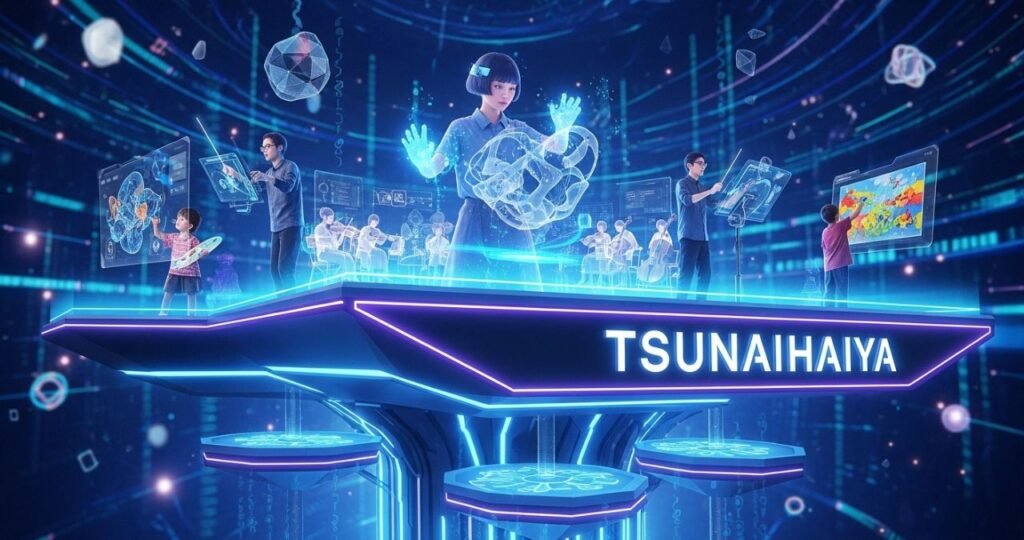
The Meaning Behind Tsunaihaiya
Tsunaihaiya doesn’t come from a traditional dictionary; it comes from digital emotion. While interpretations vary, the essence remains consistent — it represents a sudden internal shift.
For many, It is the moment you feel a burst of clarity or motivation. It is that active impetus to transform your rut, embark on a project or change of mind. It is also referred to by others as a gust of inspiration that strikes at any time.
It is beautiful because it is open. It can be given any personal meaning by anybody, and the word survives in various contexts, various moods and various cultures.
How Tsunaihaiya Became a Viral Digital Movement?
Unlike trends that rise through marketing, Tsunaihaiya grew organically. It began small in small towns- design accounts, poetic captions, and aesthetic mood reels. Gradually, artists started adding the word to their narratives and people identified with its tone of emotion.
It developed inconspicuously initially, and then broke out dramatically when it found its way to short-form video platforms. The word and the rhythm, and the vibe that was attached to it, made it ideal in visual storytelling.
The trend is used today in Tikor, Instagram, X, and YouTube Shorts, in the Reddit boards, and even in the Pinterest boards. It has already become the modern digital vocabulary.
The Emotional Psychology Behind the Obsession
Humans love words that express emotional states that are otherwise difficult to describe — and Tsunaihaiya does exactly that. In a world that communicates emotions through aesthetics, single-word captions, and mood-driven content, Tsunaihaiya fits perfectly.
The term taps into psychological triggers:
Emotional Release & Renewal
It mirrors the feeling of breaking old patterns and stepping into a new emotional space.
Identity Expression
Using the word allows people to convey depth and personality without needing paragraphs.
Community Belonging
A word becomes powerful when people feel “in on it,” and Tsunaihaiya is now a shared cultural code.
People cling to words that feel both meaningful and personal — and Tsunaihaiya gives them exactly that.
How Creators Are Using Tsunaihaiya Online?
Creators love Tsunaihaiya because it blends with nearly every type of content. It can be soft and poetic in one post, funny and chaotic in another, or deeply inspiring in a transformation video.
Some common areas where the word thrives include:
- Emotional glow-up reels
- Aesthetic morning routine edits
- Travel montages
- Creative typography posts
- Relatable memes
- Motivational reminders
Its versatility keeps it circulating across different niches, making it nearly impossible to avoid in your feed.
Tsunaihaiya as a Cultural Reflection
It reflects the emotional climate of the digital generation. People are in need of positivity, change and emotional freshness, and this word is an embodiment of all of them.
Contemporary lives are constructed based on self-development, cognitive resetting and aesthetic narrations. Tsunaihaiya embodies that journey. It speaks to those moments when life feels overwhelming, and you want to “start again,” even in a small way.
In many ways, Tsunaihaiya is the modern emotional reset button.
Why Gen Z and Millennials Connect Deeply With the Word?
Younger audiences resonate particularly strongly with expressive terms that feel poetic and visually appealing. Tsunaihaiya fits their communication style: quick, emotional, symbolic, and aesthetic.
What pulls them in is not logic but feeling. Tsunaihaiya feels like a breath, a spark, a mood shift — emotions Gen Z and millennials express online every day.
They prefer language that complements digital identity, and Tsunaihaiya is the perfect emotional shorthand.
How Brands Are Adopting the Tsunaihaiya Trend?
Marketing teams have begun noticing the emotional weight behind It. Because it represents inspiration, upliftment, and momentum, brands can integrate the word into campaigns naturally.
You’ll likely see It appearing in:
- Lifestyle and wellness campaigns
- Aesthetic visuals
- Motivational taglines
- Short-form ads
- Brand storytelling around transformation
Anything that evokes renewal or emotional spark aligns perfectly with the Tsunaihaiya theme.
Will Tsunaihaiya Continue Growing, or Is It a Passing Trend?
Some viral terms fade quickly, but Tsunaihaiya seems different. It’s tapping into universal emotional needs, not just temporary entertainment.
The reasons for its potential longevity include:
- It holds emotional depth
- It adapts to multiple content styles.
- It invites personal interpretation.
- It resonates across age groups.
- It has aesthetic and emotional appeal.
Words like Tsunaihaiya survive when they offer meaning — and this one clearly does.
Conclusion: Tsunaihaiya Is More Than a Trend — It’s a Digital Emotion
Tsunaihaiya isn’t just being used; it’s being felt. It represents inspiration, transformation, clarity, and emotional movement. In a fast, chaotic online world, people cling to words that ground them — and Tsunaihaiya does exactly that.
It makes things seem possible, whether you include it in a caption, a video, a journal entry or a mantra of your own. It teaches us that occasionally, all we need to begin with is a change of energy.
 Ayushi Saini