Norway has a long history of conserving wildlife, managing them with care and maintaining balance between human and nature. It is managed by different committees and organizations and Viltnemnda is one of them. In Norway, Viltnemnda literally means wildlife committee where Vilt means wildlife and nemnda means committee or organization. This local wildlife authority plays an essential role in supervising the management of wild animals. It includes hunting rules, and how accidents between people and wild animals are addressed. As compared to other informal groups, this is an official and legally established committee by Norwegian law. Its work impacts everyone: farmers living near the forest, people traveling through moose areas, enjoying hunting customs, basically anyone who cares about biodiversity.
In this article we will explain about Viltnemnda in detail. How it works, how members can get in touch with it, the challenges it deals with, and the opportunity it has to improve in the future.
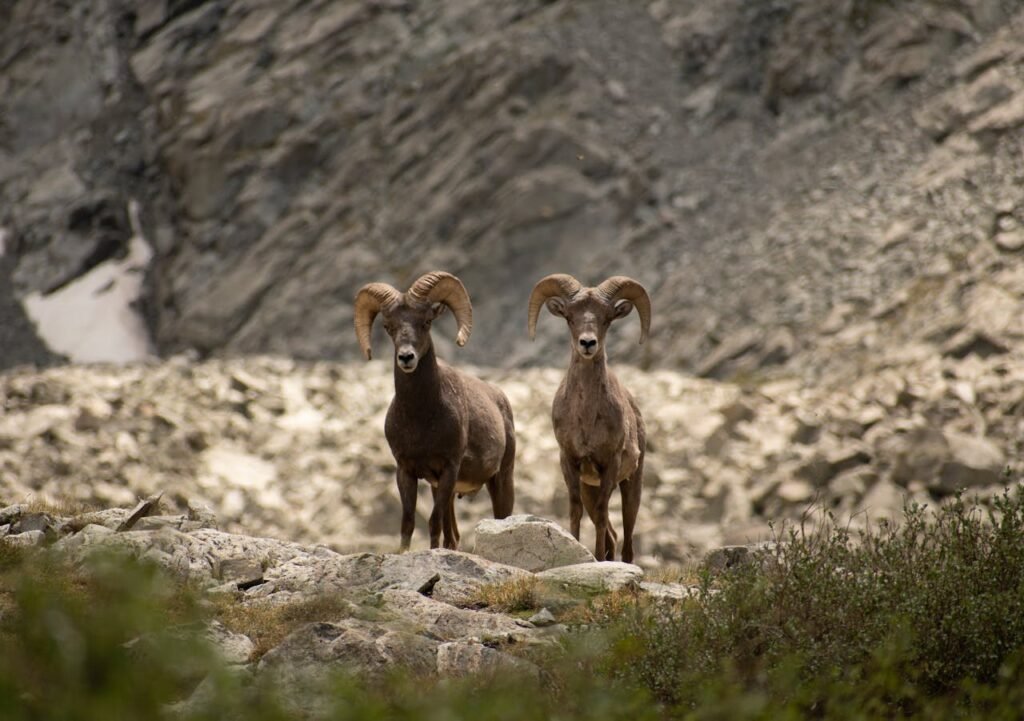
What is Viltnemnda? Legal Framework and Purpose
At its core, the term Viltnemnda literally refers to “wildlife committee” and it represents a formal authority working at the municipal level and not at the national level. In Norway, every municipal community can establish a committee to implement the rules of national wildlife locally. Its legal framework comes from the Norway’s Jakt-ogfangstloven (1981 wildlife act) and the Naturmangfoldloven (2009 Nature Diversity Act) are the legal framework of Viltnemnda, which defines that wild game belongs to the state and outline municipal roles, decision requirement on the basis of scientific knowledge, and caution.
In simple words, Viltnemnda is not a group of interested volunteers; it’s a legal authority with clearly defined responsibility under the law.
The primary purpose of Viltnemnda is broad but easy to understand. It works for keeping wildlife populations at sustainable levels, setting hunting rules and local quotas, and handling emergency interventions for injured or road-killed animals. It also helps solve problems between people and wildlife such as agriculture damage or livestock attacks. Additionally, it gives advice to municipalities on conservation efforts, habitat protection and serves as the local link to high-level agencies like the Norwegian Environment Agency (Miljødirektoratet). These tasks or duties make Viltnemnda an important connection between national policies and local realities.
The History and Development of Viltnemnda
In Norway, the concept of structured wildlife management is not a recent development. Traditionally, hunting serves as an important source for people to get food, fur, and goods to trade. However, with the growing towns and villages, living close to wild animals caused challenges. It includes accidents on highways, agriculture destruction, and disagreement between hunters created a need for a structured management of wildlife. Viltnemnda was established to address these challenges.
Its establishment is based on the idea that wildlife is a shared resource, thus it should be managed with care. Over time the committee’s tasks grew from simply regulating hunting rules to concentrating on larger issues. These are animal welfare, conservation, and responding to animal accidents.
Today, Viltnemnda functions under local municipalities, but it is regulated by national wildlife laws. This combination of local experience and national rules makes it an effective system. The role of this organization has become even more important with climate change, urban growth, and increasing human mobility.
By keeping this system, Norway shows a smart and sustainable way of living alongside wildlife—something many other countries admire and try to learn from.
How Viltnemnda Works? Structure and Governance
The wildlife committee is usually organized under the authority of the local municipality. In Norway, each municipality has its unique committee but the size and structure of it depends on the local requirements.
Members are typically appointed for a set period of time and these members are municipality, hunters, farmers, and community members with relevant skill. This variety makes sure to bring different viewpoints into the decision-making.
The wildlife committee closely works with:
- The police, especially in critical situations involving dangerous and injured wildlife.
- Hunters Associations, for tracking animals and sustainable hunting practices.
- Farmers and Landholders: Who frequently suffers with the impact of wildlife activity.
- Environmental Agencies: To align local actions with national conservation goals.
This collaborative structure makes Viltnemnda more effective. It allows decisions to reflect both scientific data and local experience, resulting in balanced outcomes for wildlife management.
Core Responsibilities of Viltnemnda
The Viltnemnda has so many responsibilities which ensures a healthy balance between human and wild animals without unnecessary conflict.
1. Handling Wildlife Accidents
An important yet neglected responsibility of the Viltnemnda is to address the road accidents of wildlife animals. Every year several animals such as moose, roe deer, and other big animals get hurt by vehicles, leading to difficult situations for drivers and painful situations for the affected animals. When such an incident happens, the committee collaborates with Norwegian law enforcement and local hunters to track down injured animals and make sure that the accident location is reported to the police at 02800. Furthermore they might suggest strategies to prevent wildlife accidents such as the installation of wildlife crossings, or the placements of warning signs around risky roads. This initiative helps in minimizing harm to both humans and wildlife.
2. Hunting Regulation and Ecological Balance
The Viltnemnda’s responsibility goes beyond handling accidents of wild animals. Hunting is a traditional and legal activity in Norway because overpopulation of wild animals can affect forestry, agriculture and even road safety. On the other hand, the population of wild animals can face extinction if hunting or environmental destruction excessively decrease. The committee’s responsibility also involves monitoring these dynamics and making sure to maintain ecological balance. This frequently involves collecting precise data, collaborating with scientific institutions, and consulting with local hunters and landowners to adjust ecological and human needs; it ensures that wild animals continue to be a sustainable part of Norwegian culture.
3. Wildlife Damage and Compensation
When wild animals disrespect the boundaries of property and harm gardens, crops, fences, and livestock, it leads to clashes with landowners or farmers. Residents can file complaints against these wildlife damage and Viltnemnda assesses whether the damage needs to be compensated under the law or not.
4. Conservation and Urban Development Guidance
One more subtle responsibility Viltnemnda is to provide advice to municipalities on land-use planning. The development of new highway roads, residents, or industry can disrupt habitats and increase wildlife accidents. The committee is responsible to suggest wildlife pathways, warning signs, or route modifications to decrease wildlife incidents. This responsibility not just positions the committee as responder to issues as an active contributor to long-term conservation and infrastructural strategy.
5. Public Education and Awareness
Finally, Viltnemnda acts as a public resource for awareness. The community provides advice on what steps need to be followed after wildlife accidents, how to live with wild animals near residence or agricultural lands, and the reason behind specific hunting regulations or limits. Several committees host community meetings or share contact details for residents to report concerns. By enhancing awareness of reporting responsibilities and safety protocols, Viltnemnda boosts compliance and community engagement.
Challenges Faced by the Viltnemnda
Despite its well-structured community framework, the committee faces several challenges in today’s world such as-
1. Climate Change
Climate change is the major challenge which influences the animal’s behavior, migration pattern, and survival of various species. The unexpected temperature shifts, irregular weather patterns, and alterations to habitats force the organization to frequently update their strategy according to unpredictable weather conditions.
2. Urban Development
Urban development further increases the challenges of human-wildlife interactions, making conflict management more complex. As more roads, residence, and industries are being developed, animal habitats diminish, further complicating the maintenance of natural boundaries.
3. Budget constraints
Financial limitations and shortage of budget can challenge the ability of Viltnemnda’s ability to perform extensive fieldwork, monitoring or rapid response.
4. Balancing Stakeholder Needs
A hardest challenge faced by the Viltnemnda is to balance the needs of farmers, hunters, conservation advocates, and ordinary citizens. Farmers may insist to take action and protect crops, while conservation advocates demand for minimal lethal interventions. Hunters might demand for more lenient quotas, while local governments are concerned about road safety. This combination fosters political pressure, especially in small towns where everyone is familiar with each other.
5. Reporting and Public awareness
Several ordinary citizens are often unaware of the existence of Viltnemnda. They are also unaware of the fact that notifying authorities about wildlife collisions is a legal obligation. Unreported accidents result in animal suffering and a gap in data for effective management. Thus, enhancing communication and signage continues to be an ongoing challenge.
How Norway Citizens Can Interact With Viltnemnda
For people living or visiting Norway, it is not only beneficial but also legally obligatory to know how to interact with Viltnemnda. If you encounter or accidentally hit wild animals on the road, without any delay contact the police at 02800. Do not personally approach the animal, instead mark the site with a noticeable object so that responders can find the place easily. If possible try coordinating with police and stay available for further inquiries.
Why the Viltnemnda Matters for Norway’s Future
In today’s world where ecological stability faces major threats, the role of the Viltnemnda has become more essential. As wildlife caretakers and ecological balance protectors make sure that future generations inherit a healthy ecosystem, flourishing wildlife population, and secure outdoor spaces. Their effort bridges the gap between governmental policies and local realities, allowing tailored approaches that include scientific knowledge, cultural values, and community interests.
The committee also plays a key role in advancing sustainable hunting practices. By maintaining ethical standards through educating hunters, the organization makes sure that Norway’s rich history of hunting remains without compromising biodiversity. Moreover, the people of the wildlife committee focus on animal monitoring, research, and conservation to increase global awareness of wildlife management and ecological sustainability.
Conclusion
To sum it up, Viltnemnda acts as a representative of Norway’s commitment to protect biodiversity promote sustainable hunting culture and ensure safety in areas where human and wild animals coexist. Its power is derived from national legislation, its credibility is derived from transparent and data-driven choices and its efficiency is driven from seamless collaboration with law enforcement, hunters, landholders, and road management authorities.
Public contribution is essential by reporting incidents, participating in meetings, submitting claims or simply raising awareness, it helps wildlife committees to achieve their goals. With the growing environmental challenges, these committees can take the advantage of technology to increase collaborations and become a central hub of balancing human and nature. Thus, understanding and supporting Viltnemnda is more than just a matter of policy, it’s a commitment to safer roads and a strong community of healthier wildlife populations.
 Punit
Punit