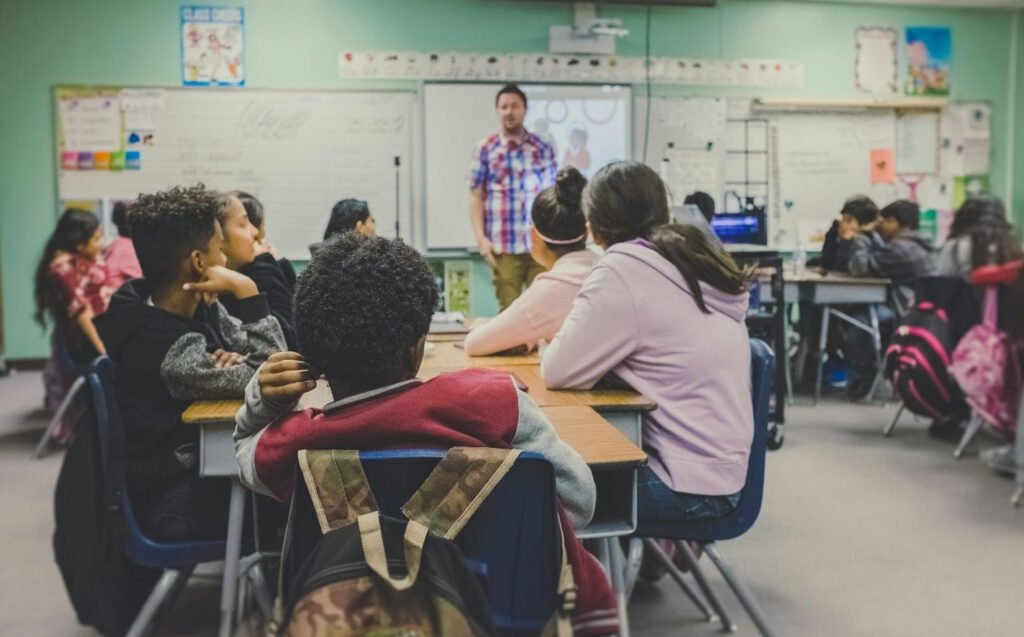
Student success reflects the quality of the systems that support learning and development. Schools influence academic growth, personal confidence, and future readiness through thoughtful planning and consistent support. Strong leadership, skilled educators, and a nurturing environment contribute to meaningful progress for students at every level.
Schools that focus on well-rounded development create opportunities for learners to thrive academically and socially. Practical strategies such as professional development, leadership training, inclusive practices, and community collaboration strengthen the foundation for improved outcomes. Clear goals and intentional action help schools create environments where every student can reach their full potential.
Strengthening Teacher Effectiveness Through Professional Development
Teacher effectiveness remains one of the most influential factors in student achievement. Continuous professional development allows educators to refine their instructional methods and stay informed about emerging trends in education. Training programs, workshops, and collaborative learning communities provide opportunities for teachers to exchange ideas and implement innovative strategies.
Ongoing support encourages educators to adapt their approaches based on student needs and classroom dynamics. Skilled teachers create engaging learning environments that promote curiosity, critical thinking, and academic confidence. Schools that prioritize professional growth cultivate a culture of excellence and consistency, which directly benefits student performance.
Investing in Leadership Development for School Improvement
Strong leadership plays a vital role in shaping school culture and driving academic progress. Effective administrators establish clear goals, support teacher development, and foster collaboration across departments. As the demands on school leaders continue to evolve, flexibility in professional development has become increasingly important. Leadership development programs that offer accessible and adaptable learning options enable educators to build their skills while balancing existing responsibilities.
Institutions can support aspiring leaders by encouraging them to pursue flexible pathways such as an online educational specialist degree. For example, Northwest Missouri State University offers an online Ed.S. in General Education that allows educators to strengthen their expertise while continuing to work full-time. Programs like this help educators expand their leadership capacity and apply new knowledge directly within their schools, preparing them to inspire staff, implement effective policies, and create a shared vision for long-term success.
Creating Supportive and Inclusive Learning Environments
A supportive and inclusive learning environment encourages students to feel valued, respected, and motivated to participate. Positive relationships between teachers and students foster trust and engagement, which contribute to improved academic outcomes. Inclusive policies and culturally responsive teaching practices ensure that students from diverse backgrounds receive equitable opportunities to succeed.
Schools that prioritize inclusivity promote collaboration, empathy, and mutual respect among students and staff. A welcoming atmosphere enhances student confidence and supports both academic achievement and personal growth.
Integrating Technology to Enhance Learning Experiences
Technology integration transforms traditional classrooms into dynamic learning environments that support diverse learning styles. Digital tools, interactive platforms, and virtual resources provide students with greater access to information and personalized instruction. Teachers can use technology to track progress, adapt lessons, and encourage student collaboration.
Strategic implementation of digital resources enhances engagement and prepares students for future academic and professional challenges. Schools that embrace technology create flexible learning opportunities that support innovation and creativity.
Prioritizing Student Well-Being and Mental Health Support
Student well-being forms the foundation for academic success and personal development. Emotional stability, confidence, and resilience enable learners to stay focused and engaged in their studies. Schools that invest in mental health resources create environments where students feel safe, supported, and understood.
Educators who recognize the importance of emotional health foster stronger connections with their students, which enhances trust and participation in the classroom. A comprehensive approach to well-being encourages positive behavior, improves attendance, and supports long-term academic achievement.
Implementing Data-Driven Decision Making
Data-driven decision making allows schools to identify trends, measure progress, and refine instructional strategies with clarity and precision. Reliable data from assessments, attendance records, and performance metrics provides valuable insights into student needs and learning patterns. School leaders and educators can use this information to design targeted interventions and allocate resources effectively.
Regular analysis ensures that teaching methods align with academic goals and student performance standards. Transparent communication of data findings also strengthens collaboration among educators, administrators, and stakeholders. Thoughtful use of data empowers schools to make informed decisions that support continuous improvement and measurable outcomes.
Encouraging Personalized Learning and Student-Centered Approaches
Personalized learning recognizes the unique strengths, interests, and learning styles of each student. Flexible instructional methods, differentiated teaching strategies, and individualized learning plans help students progress at their own pace. A student-centered approach fosters active participation and encourages learners to take ownership of their academic journey.
Teachers who adapt lessons to meet diverse needs create engaging experiences that promote curiosity and critical thinking. Opportunities for goal setting and self-assessment further enhance motivation and accountability. Schools that prioritize personalized learning cultivate independent thinkers who are well prepared for future academic and professional success.
Unlocking student potential requires a comprehensive approach that addresses academic excellence, leadership development, and student well-being. Schools that invest in effective teaching practices, strong leadership, inclusive environments, and meaningful partnerships create a solid foundation for improved outcomes.
Strategic use of technology, data-informed decision making, and personalized learning further strengthen the educational experience. Each of these elements contributes to a supportive and dynamic learning environment where students can thrive. A commitment to continuous improvement ensures that schools remain responsive to evolving educational needs.
 Punit
Punit