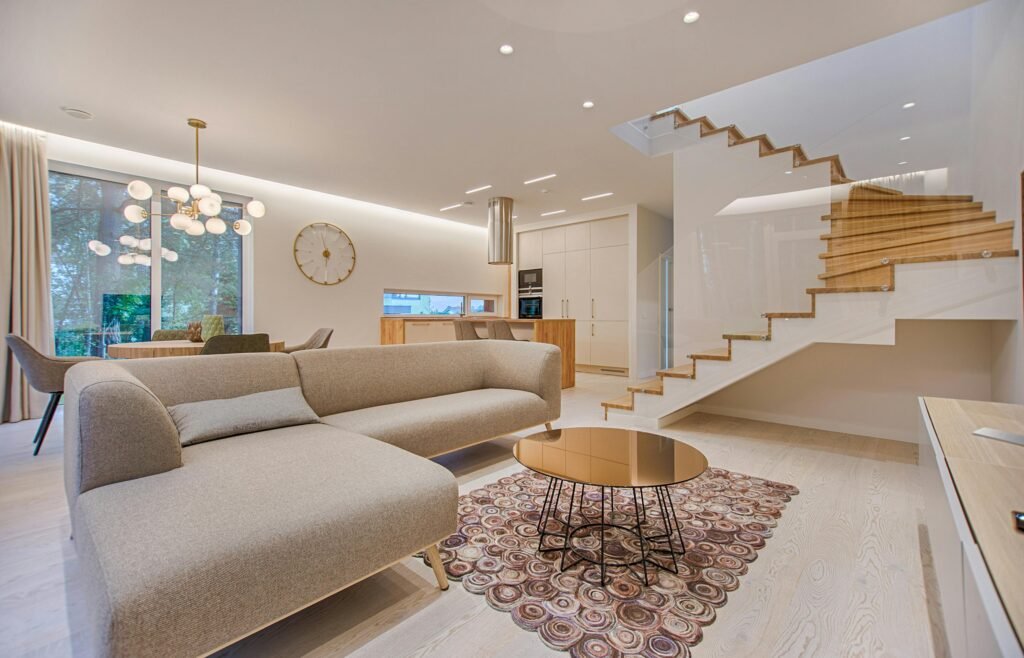
Even a space that looks modern and clean can feel cold or flat. Adding warmth and texture brings balance, making the room feel more comfortable and lived in. With the right mix of materials, colors, and small updates, any space can feel more welcoming—no major renovation needed.
Layer Fabrics to Soften Surfaces and Add Comfort
A room feels different right away, depending on blankets, drapes, and pillows. Wool, cotton, or velvet thick materials provide comfort to rooms lined with tile, metal, or wood. A comfortable atmosphere will come from a fluffy blanket on a basic sofa or thick drapes over simple windows. Combining many textures in one area creates depth—just as you could do by matching a bulky knit cushion with a silky cotton one. These layers need not match exactly. Mixing textures creates a natural, domestic vibe without work and helps prevent the area from seeming bland.
Define Spaces and Add Cozy Warmth
Rugs help divide big areas and provide defined zones in open spaces. Underfoot warmth and sound absorption from a rug on concrete flooring quickly calms the atmosphere. Deep piles, woven patterns, or thick edge rugs provide comfort and texture. A tiny area rug provides contrast even in carpeted spaces. In heavy traffic areas, natural fabrics like wool or jute do really well. More than size, color, and texture define the style of the space; choose a rug that accentuates just enough to improve the overall appearance without overwhelming everything else.
Use Natural Materials for a Lived-In Look
Rooms seem to be based on wood, stone, leather, and rattan. These fabrics have inherent textures that call for a little embellishment. A room with polished or smooth surfaces gains appeal from a hardwood coffee table, a leather chair, or maybe a stone bowl. Little details like a cork tray or woven basket may make a space seem different. From sleek to traditional, natural finishes also go well across all types. They create a more solid and established atmosphere that lends warmth to people without understanding why.
Warm Up the Room with Soft, Layered Lighting
Even with excellent design, harsh overhead lighting may make a space seem frigid. Spread the light more fairly using a combination of floor, wall, and table lamps. Especially those with dimmers, warm white lights assist in regulating the ambiance of space. Like cloth, wood, or stone, lamps with textured tones or bottoms provide yet another dimension without calling for other objects. Lighting corners or lower to the ground helps to create a whole space by reducing shadows. Particularly in the evening, even little lights on shelves or in corners alter the appearance and feel of the area.
Little Way Mix Patterns
Without overwhelming space, patterns may create an energetic and complete feeling. Motion and depth come from stripes, checks, flowers, and tiny designs. Different patterns in cushions, rugs, or artwork help break down big, solid sections. As long as they have a color or tone, mixing big and little patterns works well. Don’t cluster the patterns; keep them scattered. Even mild designs or a coat of limewash paint make a tremendous impact in neutral areas. This strategy gives liveliness without making the area seem crowded. A little pattern goes a long way and helps to prevent the area from seeming too simple or rigid.
Bring in Plants for Texture and Color
Plants provide delicate, shifting forms, natural color, and air-freshening properties. The impression of the space alters even with one plant on a shelf or in a corner. Soft lines from leaves, vines, and stems balance harsh surfaces and sharp edges. Planters fashioned of metal, stone, or clay give even another layer of texture. Dried grasses or preserved plants nevertheless have the same impact on spaces without adequate light. Plants also move; leaves change somewhat even in the absence of wind. Without adding noise or clutter, such movement gives the room life and completeness.
Conclusion
Adding texture and warmth calls on carefully combining many materials, forms, and finishes. Every object, including plants and carpets, alters the atmosphere of space without calling for dramatic alterations. Done well, the area becomes quieter, richer, and more friendly to everyone who enters.
 Punit
Punit  Ayushi Saini