As we all know there are eight planets in our solar system. One planet that intrigues people is “Blue Planet” because of its striking blue color covering 71% of the earth surface. These blue parts are the oceans, rivers, and lakes that are very essential to survive. When we look at the surface of the Earth from outer space, it predominantly looks blue because of this huge percentage of water. However, Neptune is also known as Blue Planet But what is the mystery that lies on Earth’s water surface? What makes it the most intriguing planet? Let’s explore the Blue Planet, a place in the outermost reaches of the cosmos where mystery and beauty meet.
Why Is the Earth Called Blue Planet?
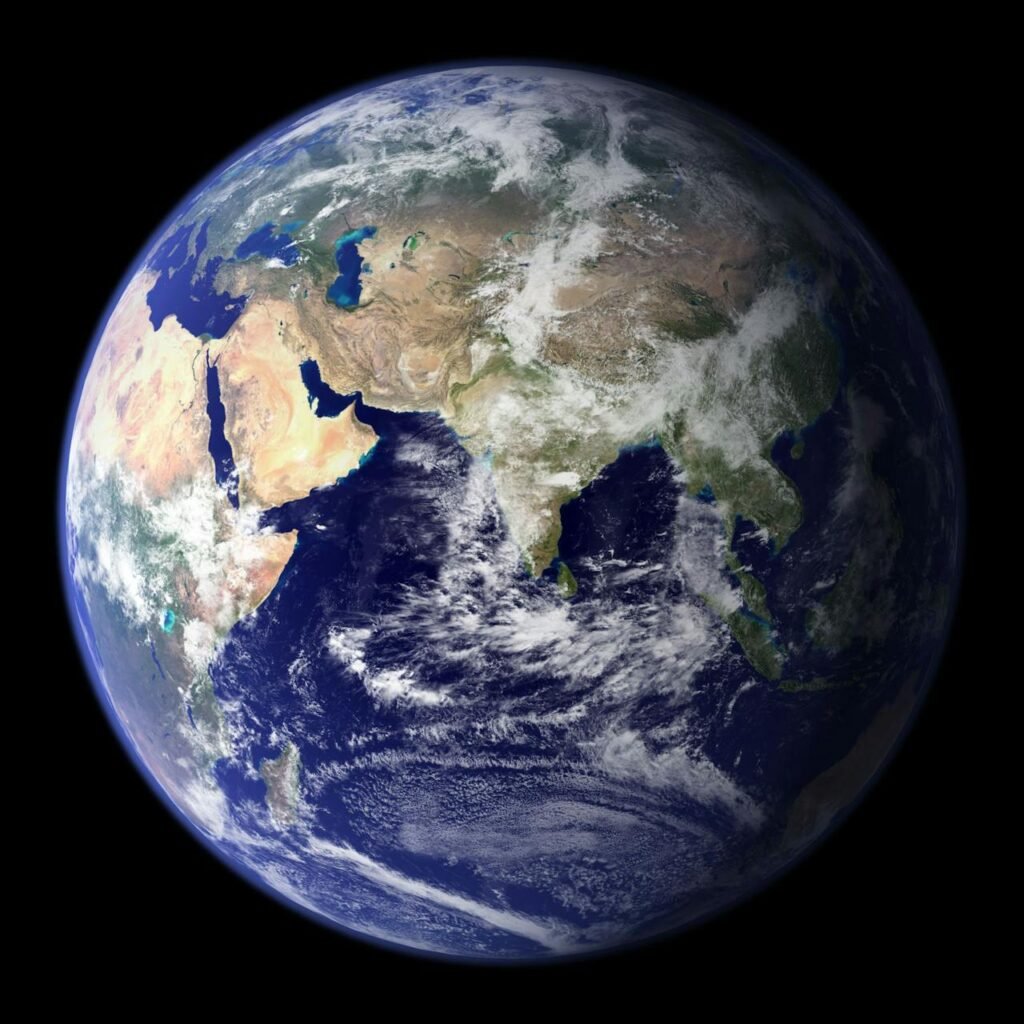
Approximately 71% of the Earth is covered with water. These are lakes, oceans, rivers and seas. This large surface of the earth reflects sunlight, which highlights the unique blue color of the water and makes the Earth look blue from outer space. Hence the Earth is called a blue planet. Water is good at absorbing longer wavelength colors like red and orange and reflects blue and green colors. These qualities contribute to the Earth’s distinctive appearance in blue color from outer space.
Factors that Contributes to Earth’s Blue Appearance
1. Abundance of Water
The primary reason for earth’s blue reflection is its extensive water coverage. The reelection of this water makes the earth planet look blue, especially when it is looked from outer space. Liquid water is effective at soaking long wavelengths such as orange and red colors. On the other side short wavelengths such as blue and green are reflected back. This is the reason oceans and vast water bodies look blue to the naked eye.
2. Atmospheric Light Scattering
The light scattering by the atmosphere is another factor that adds to Earth’s blue color. The earth’s atmosphere is primarily made of nitrogen and oxygen, scattering sunlight in all directions. As we compare, shorter wavelengths like blue scatter more light than longer wavelengths like red. This scattering effect is referred to as Rayleigh scattering. When it is seen from the ground, its blue color is evident in the sky, and when it is seen from space, its blue color looks more intense.
3. The Role of Oceans
The depth and transparency of Earth’s seas enhances its blue color. In the deeper water, sunlight is only able to reach a short distance before being absorbed. Since water can absorb certain colors like yellow, orange, red and reflects back the blue color. With the greater depth of the ocean, its blue color. Shallow waters close to the coastline may look blue because of the algae and other creature’s presence but deep oceans dominate the overall color globally.
4. The Reflection of Ice and Clouds
While the majority of the Earth is blue, there are also large areas of white because of clouds and ice. Because of these elements the Blue Ocean and sky provide a lot of reflection against the sky. To provide them a white look Clouds reflect light equally across all wavelengths. When we look from outer space the color contrast of white and blue makes the visual of Earth so striking.
5. A Distinctive Planet in our Solar System
In our solar system there’s only one planet with liquid water on its surface is the Earth. Although there is presence of water on Mars, nothing like the large oceans that we see on the earth. Mercury and Venus lack water sources. Jupiter and Saturn completely lack solid surfaces as they are primarily composed of gas. Overall, these unique factors make the Earth a blue planet.
Why is Earth Special?
- The only known planet with life is Earth as it provides a breathable atmosphere and water that helps living beings to survive.
- The ideal distance from the Sun is known as the “Goldilocks Zone,” which keeps the Earth’s temperature exactly perfect for liquid water to exist.
- Its protective atmosphere protects the Earth from dangerous solar radiation and maintains the climate stability.
The Other Planets of the Solar systems and its colors
Each planet of the solar system has distinctive color, depending on their surface materials and atmospheric composition
- Mars is known as the Red Planet because of its iron oxide surface.
- Jupiter is known as the orange, brown, and white planet because of its ammonium hydrosulfide surface.
- Mercury is known as the brownish-gray planet because of its rocky and airless surface.
- Neptune is also known as a blue planet but for a different reason. Its iron based atmosphere absorbs the red light and reflects blue.
- Venus is known as a yellow planet because of its thick surface of sulfuric acids.
- Saturn is a pale gold planet with blue poles because of its ammonia-rich surface and rings.
- Uranus is a yellow, bluish-green color planet because of its methane-rich gas in its atmosphere.
Why is Neptune Called Blue Planet?
Neptune is also known as the Blue Planet but with a different reason. Its atmosphere is rich in methane gas which also has helium and hydrogen gas. Mainly methane contributes to its striking blue color as it absorbs red wavelengths and reflects back blue color.
Biodiversity of the blue planet
1. Life below the Surface
The Blue Planet’s waters support a great diversity of life forms, ranging from tiny to gigantic. Marine biodiversity stands as one of the planet’s most valuable assets, helping to maintain ecosystems within the ocean and on solid land. The ocean shelters over 230,000 recognized creatures of marine life, but experts believe that millions of marine creatures still remain undiscovered.
2. Coral Reefs: Underwater Forests
Coral Reefs also known as the “underwater forests of the sea” are some of the most diverse and vibrant forests on the Earth. They cover less than 1% of the ocean floor, but they provide shelter to at least 25% of all marine creatures. Coral reefs are extremely productive, giving shelter, food, and breeding sites for a wide variety of marine species, ranging from fish to mollusks.
3. The Deep Ocean
Although coral reefs and shallow coastal zones are filled with creatures, the deep ocean is still considered mysterious places on Earth. The deep ocean is shelter for strange and interesting creatures that have evolved to intense pressure, cold temperatures, and complete darkness. Yet experts have barely started to understand the complete diversity of life within the deep ocean.
Human Impact on the Blue Planet
1. Pollution
Sadly, the oceans of the Blue Planet are under threats from human activity. Ocean pollution is one of the major issues with tons of plastic wastage in the ocean every year.
The infamous Great Pacific Garbage Patch now resembles a floating island of trash that’s larger than the size of several countries. Plastics break down into micro plastics, which are consumed by animals of the Marine Ocean. This food chain ultimately impacts on both human health and the marine ecosystem.
Apart from plastic wastage, oil spills, chemical waste, and nutrient pollution from agriculture play a significant role in the decline of marine environments. These pollutants can cause dead zones, areas where oxygen levels are very low that most marine life cannot survive.
2. Overfishing:
Overfishing also has a dangerous impact on the ocean’s health. With the growing demand of fish and seafood, several fish stocks have been pushed to the edge of collapse. Because of overfishing, the other creatures of the ocean like dolphins, turtles, and seabirds also get trapped which further accelerate the situation.
3. Climate Change
Climate change is also a major threat for the oceans. Rising sea temperatures, ocean acidification, and sea level rise are some of the major reasons for climate change. Temperature changes impact coral reefs as they become vulnerable in such climate change, leading to an increase in coral bleaching incidents. The water of the ocean becomes more acidic because of higher CO2 levels, which makes it difficult for the creatures of the ocean such as corals and shellfish to form their calcium-carbonate shells and structures. When these marine creatures disappear, the entire marine food chain is badly impacted.
Final Thoughts
In our solar system, Earth is known as a Blue Planet. Its large oceans and life-sustaining atmosphere makes it distinctive from every other planet we know. Neptune is also known as blue planet but Earth is the actual Blue Planet because of its water surface and ability to sustain life.
These large oceans also play a significant role in making earth a surviving planet. However human activities such as pollution, and overfishing, badly impact on marine life thus it is important to take actions and preserve these oceans for generations to come.
The oceans are a source of life and it’s our responsibility to protect the health of the Blue Planet to make sure that this planet remains vibrant and alive for decades to come.
 Punit
Punit